
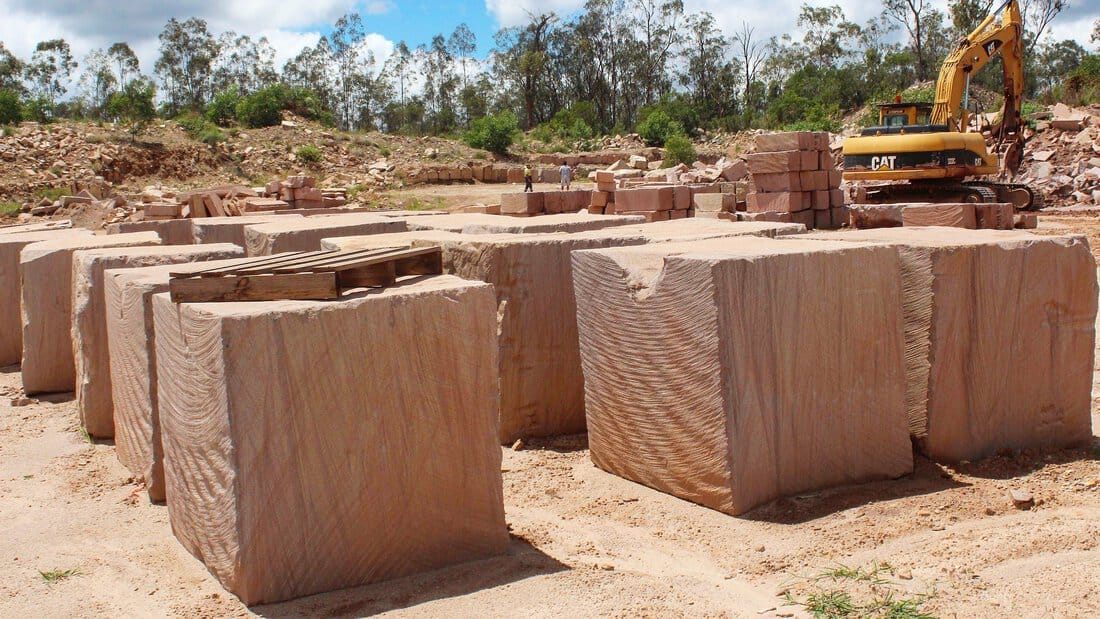
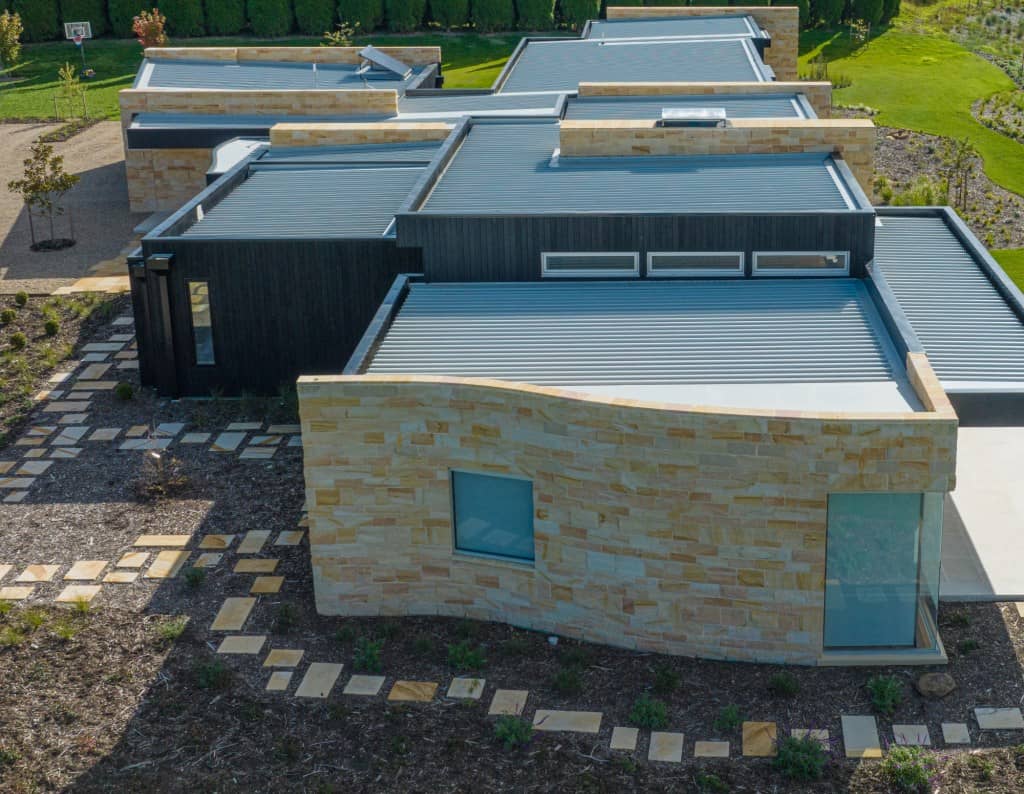
In contemporary architecture, authenticity has become increasingly valuable.
As projects move away from overly polished and manufactured finishes, architects and designers are searching for materials that feel:
- grounded
- tactile
- timeless
- connected to place
Natural stone continues to play a major role in this shift, but not all stone creates the same architectural outcome.
The quarry itself — its geology, extraction methods, material selection, and relationship to landscape — has a profound influence on the final character of a project.
At AUSSIETECTURE, we believe Australian quarries produce some of the most authentic architectural materials because the stone already carries the textures, colours, and imperfections that naturally belong within Australian environments.
The result is architecture that feels less manufactured and more connected to its surroundings.
Authentic Architecture Begins With Authentic Materials
The most timeless architecture rarely feels forced. Instead, it feels as though the building naturally belongs within its environment.
Materials are central to achieving this.
When stone appears disconnected from the landscape surrounding it, projects can feel visually artificial or overly imported in character.
Australian quarries produce materials shaped by:
- Australian climates
- Australian soils
- Australian mineral conditions
- Australian weathering
- Australian light
These environmental influences create stones that naturally harmonise with:
- native vegetation
- coastal landscapes
- bushland settings
- Australian skies
- contemporary Australian palettes
This relationship between material and landscape is difficult to artificially replicate.
Australian Stone Carries Natural Variation
One of the defining characteristics of locally quarried Australian stone is variation.
No two pieces are identical.
Australian sandstone and granite often contain:
- layered mineral movement
- tonal shifts
- oxidised markings
- natural textural variation
- irregular bedding patterns
- subtle imperfections
Historically, construction industries often viewed variation as something to minimise.
Today, architects increasingly embrace it.
Natural variation creates:
- warmth
- softness
- depth
- realism
- architectural maturity
Perfect uniformity can sometimes feel manufactured or lifeless across large surfaces.
Australian stone often feels more authentic precisely because it is imperfect.
Australian Quarries Produce Stone That Suits Australian Light
Australia’s sunlight is unique. Strong UV exposure and harsh natural brightness dramatically influence how materials appear once installed.
Stone that looks balanced within overseas showrooms can sometimes appear:
- overly reflective
- visually cold
- excessively yellow
- flat under harsh Australian light
Australian quarries naturally produce materials already conditioned by these environments.
Many local stones feature:
- softer earthy undertones
- muted greys
- warm creams
- dusty whites
- natural oxidisation
These tones often respond more comfortably to Australian architecture because they already belong within the landscape itself.
Quarry Selection Influences Architectural Character
Not all areas within a quarry produce the same material.
Experienced quarry operators spend enormous amounts of time:
- selecting stable sections
- understanding geological movement
- identifying colour consistency
- refining grading systems
- rejecting unstable material
- preserving natural character
This process directly influences the final architectural outcome.
High-quality quarry selection helps create stone with:
- better visual depth
- stronger integrity
- more balanced variation
- improved weathering behaviour
- architectural consistency without losing authenticity
True quality is not about making stone look artificial.
It is about refining natural character without removing it.
Australian Stone Creates Stronger Connections to Place

Architecture becomes more meaningful when it reflects its environment.
Using locally quarried stone strengthens the relationship between:
- site
- landscape
- materiality
- climate
- architecture
There is something inherently authentic about Australian homes being built from materials extracted from Australian ground.
This creates a stronger sense of permanence and belonging.
Rather than importing a material aesthetic from another climate or culture, Australian stone allows architecture to feel genuinely connected to where it exists.
Natural Texture Creates Timelessness
Modern architecture is increasingly moving toward:
- tactile finishes
- textured surfaces
- layered materiality
- natural imperfection
Australian quarries naturally produce stone with:
- split-face textures
- rough irregularity
- weathered surfaces
- exfoliated finishes
- layered depth
These textures help architecture feel:
- more organic
- more enduring
- less trend-driven
- more emotionally engaging
The best materials often invite touch as much as visual appreciation.
Natural stone achieves this in ways manufactured materials struggle to replicate.
Authenticity Requires More Than Simply Supplying Stone
One of the biggest misconceptions within the industry is that all stone suppliers operate the same way.
Many companies simply curate existing imported products from overseas catalogues.
Working closely with Australian quarries allows a far deeper level of involvement in the material itself.
This can include:
- developing custom blends
- refining finishes
- testing textures
- adjusting proportions
- improving sizing
- tailoring products to Australian architecture
At AUSSIETECTURE, much of our work extends beyond simply sourcing stone.
It involves helping shape architectural collections that better respond to Australian design outcomes.
There is significant research and development behind many stone collections that architects and homeowners never see.

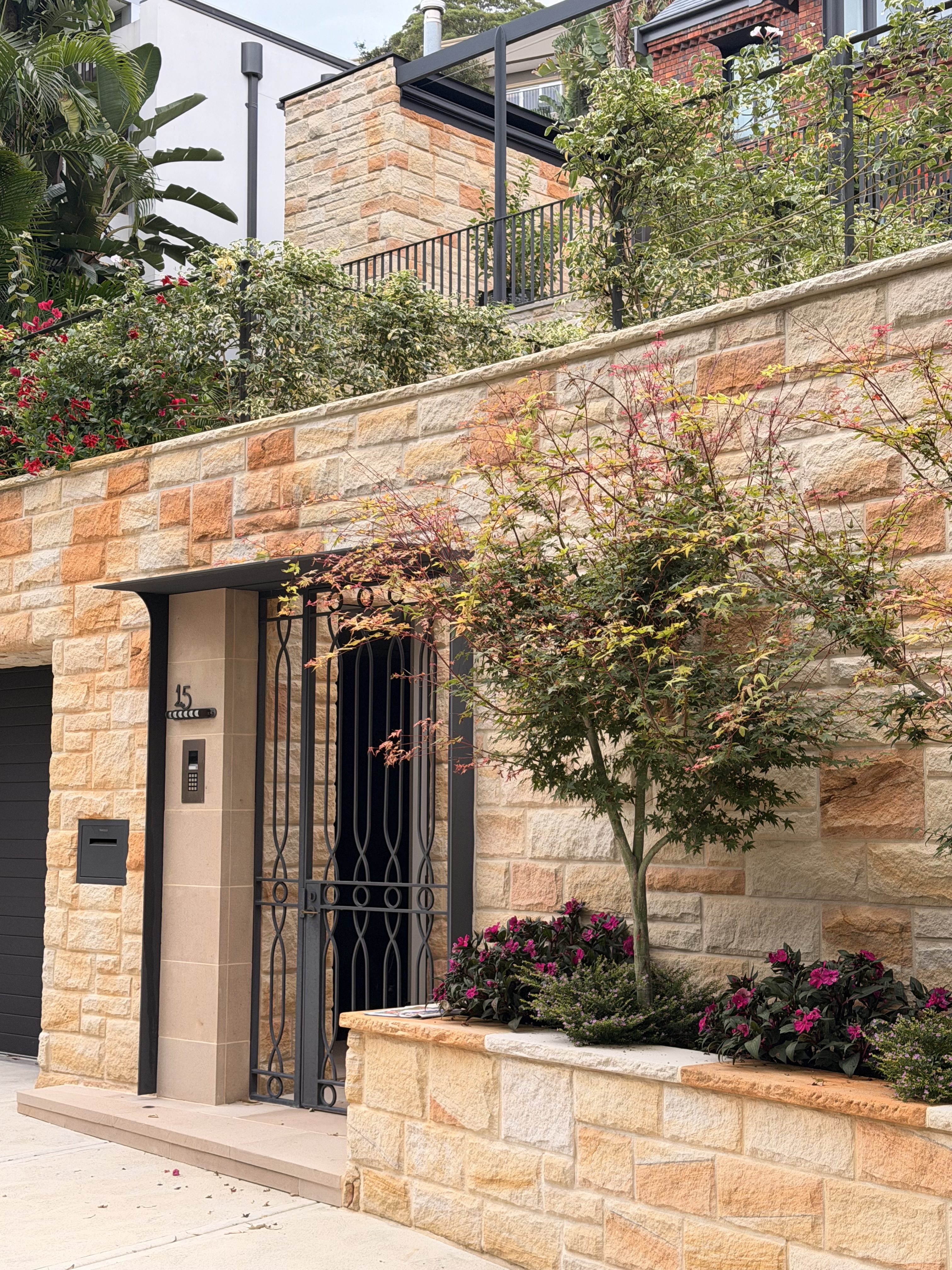


Australian Quarries Often Produce Softer, More Organic Outcomes
Many locally quarried stones possess a softness that works exceptionally well within modern Australian architecture.
Rather than appearing heavily processed or overly engineered, Australian stone often feels:
- relaxed
- natural
- weathered
- grounded
- understated
This is particularly important within contemporary architecture, where restraint often creates more sophisticated outcomes than excessive visual perfection.
Subtle variation and organic texture allow projects to feel timeless rather than trend-driven.
Locally Quarried Stone Supports Architectural Longevity
Authentic architecture is not only about appearance on completion day.
It is about how materials age over time.
Australian stone has evolved under:
- Australian UV conditions
- coastal salt exposure
- thermal movement
- rainfall patterns
- environmental stress
This often allows local stone to weather more naturally within Australian environments.
Materials that age gracefully help architecture mature beautifully rather than deteriorate prematurely.
Authentic Architecture Is Increasingly About Provenance
Architects and clients are increasingly asking:
- Where did this material come from?
- How was it produced?
- Is the supply chain ethical?
- Does the material genuinely belong within this project?
Australian quarries provide stronger provenance because the connection between landscape and material remains visible.
This authenticity cannot easily be manufactured artificially.
It comes from genuine geological history, natural variation, and a direct relationship between architecture and environment.
The Most Timeless Buildings Feel Connected to Their Landscape
Many of the world’s most admired buildings share one common quality:
they feel inseparable from their surroundings.
Australian quarries help create this connection by producing materials already shaped by the landscapes they will ultimately inhabit.
Rather than fighting against the environment, the stone works with it.
And perhaps that is why locally quarried Australian stone continues to create such authentic architectural outcomes:
because the material already feels at home long before the building is even constructed.
OUR RANGE →


